
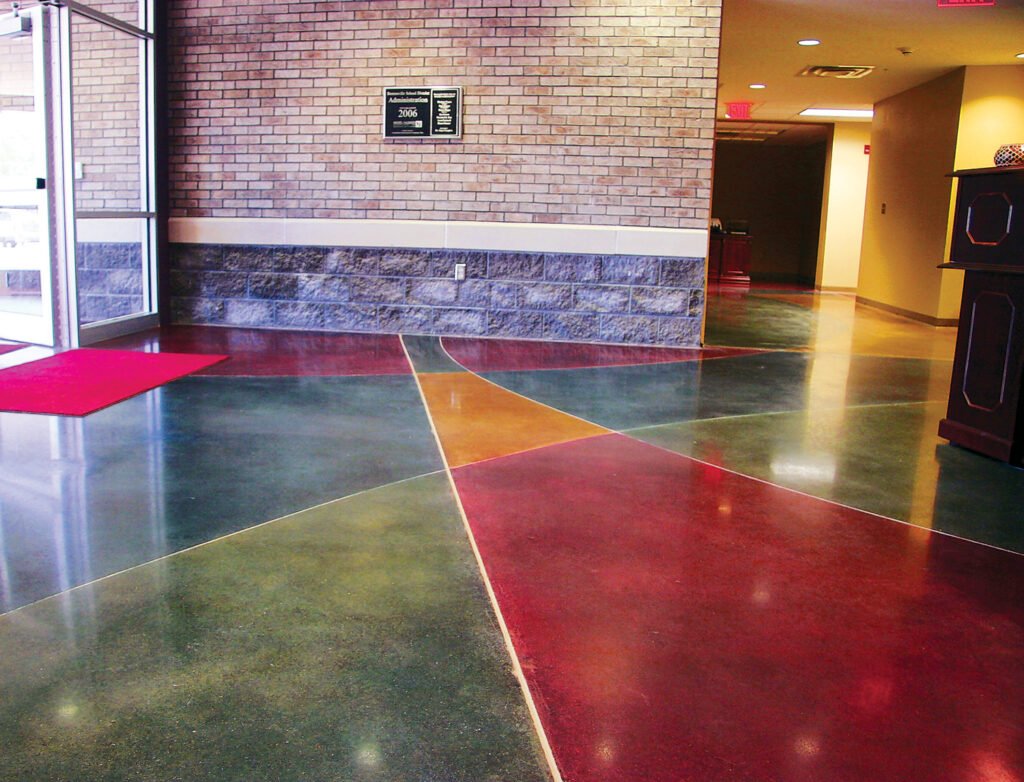
Restore the Beauty of Your Terrazzo Floors
Terrazzo restoration helps restore your terrazzo floor from years of foot traffic, dirt, staining, and improper maintenance that can leave the surface dull, scratched, or worn. WISE provides professional terrazzo polishing and restoration services to help restore the appearance and performance of existing terrazzo floors.
Table of Contents
What Is Terrazzo?
Terrazzo is a decorative flooring material made by combining aggregates such as marble, granite, glass, quartz, or other materials with a cementitious or resin-based binder.
The surface is then ground and polished to expose the aggregate, creating a distinctive and highly durable floor.
Because terrazzo can be refinished rather than completely replaced, an aging terrazzo floor may have significantly more life left in it than its current appearance suggests.
Terrazzo Restoration & Polishing Services
Every terrazzo floor is different. The appropriate restoration process depends on the age, construction, condition, and previous maintenance of the floor.
Terrazzo Grinding
Heavily worn or damaged terrazzo may require mechanical grinding to remove surface imperfections and expose a fresh layer of the terrazzo.
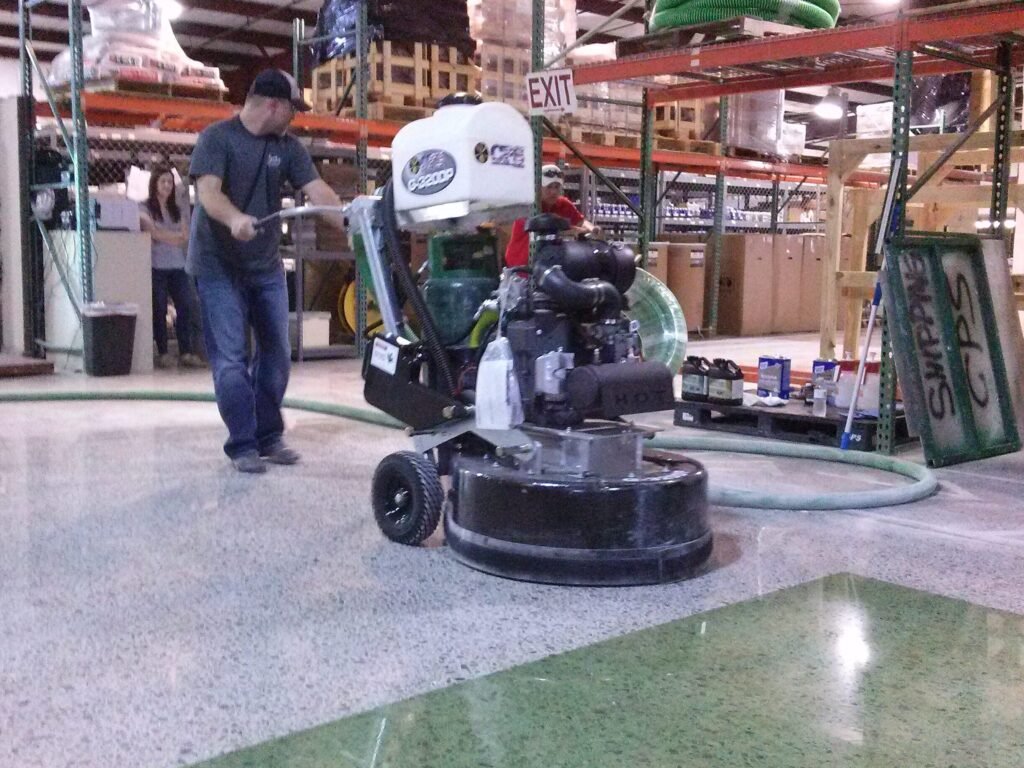
Grinding can help address:
- Deep scratches
- Surface wear
- Uneven areas
- Old coatings
- Surface damage
- Heavy staining
- Significant loss of clarity
- Surface dullness
The amount of grinding required depends on the condition of the floor.
Terrazzo Honing
After grinding, the surface can be refined through progressively finer diamond abrasives.
Honing removes the visible scratches left by more aggressive grinding and prepares the terrazzo for polishing.
Terrazzo Polishing
Once the surface has been properly prepared, progressively finer abrasives are used to refine and polish the terrazzo.
Polishing can restore:
- Clarity
- Reflectivity
- Smoothness
- Color
- Aggregate definition
The final appearance can range from a refined low-sheen finish to a high-gloss polished surface, depending on the requirements of the project.
Stain & Surface Restoration
Terrazzo can accumulate stains and discoloration over years of use.
Depending on the cause and depth of the staining, we may be able to improve the appearance through professional cleaning, grinding, honing, polishing, or other restoration techniques.
Not every stain can be completely removed, but proper restoration can often produce a significant improvement.
Terrazzo Repairs
Damaged terrazzo may require localized repairs before the floor can be fully restored.
Depending on the floor, repairs may include addressing:
- Chips
- Cracks
- Missing aggregate
- Damaged areas
- Previous repairs
- Surface deterioration
The goal is to create the best possible transition between repaired areas and the surrounding terrazzo.
Our Terrazzo Restoration Process
1. Evaluate the Existing Floor
We begin by examining the terrazzo to determine its condition and identify areas requiring special attention.
We look at factors such as:
- Surface wear
- Scratches
- Staining
- Cracks
- Previous coatings
- Repairs
- Type of terrazzo
- Desired final appearance
This evaluation helps determine the appropriate restoration process.
2. Surface Preparation
The floor is prepared for mechanical restoration.
Depending on the condition of the terrazzo, this may involve cleaning, removing existing coatings, repairing damaged areas, or beginning the grinding process.
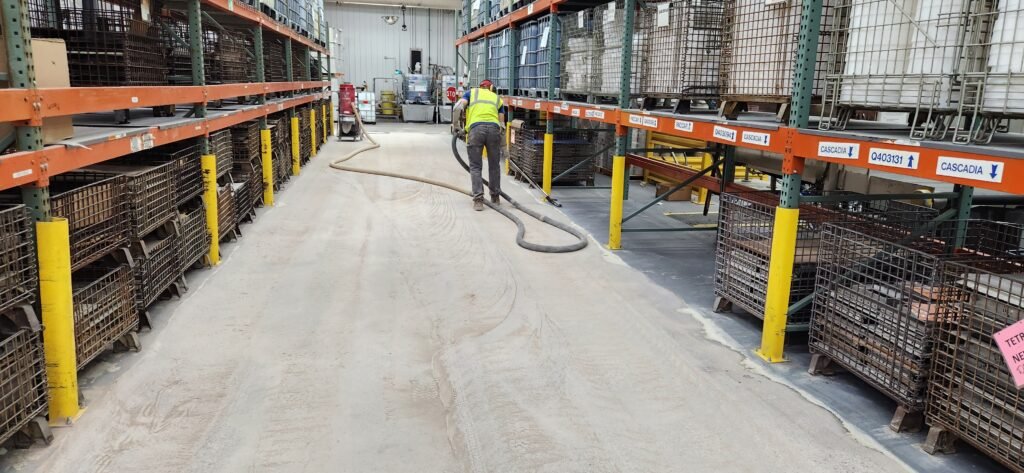
3. Diamond Grinding
If necessary, progressively finer diamond abrasives are used to remove surface damage and prepare the terrazzo.
The amount of grinding required depends on the depth of the damage and the desired result.
4. Honing
The surface is refined using progressively finer abrasives to remove grinding marks and create a smooth, uniform surface.
5. Polishing
The terrazzo is polished using increasingly fine abrasives until the desired level of clarity and sheen is achieved.
6. Protective Treatment
Depending on the application, a protective treatment may be applied to help protect the finished surface from staining and everyday wear.
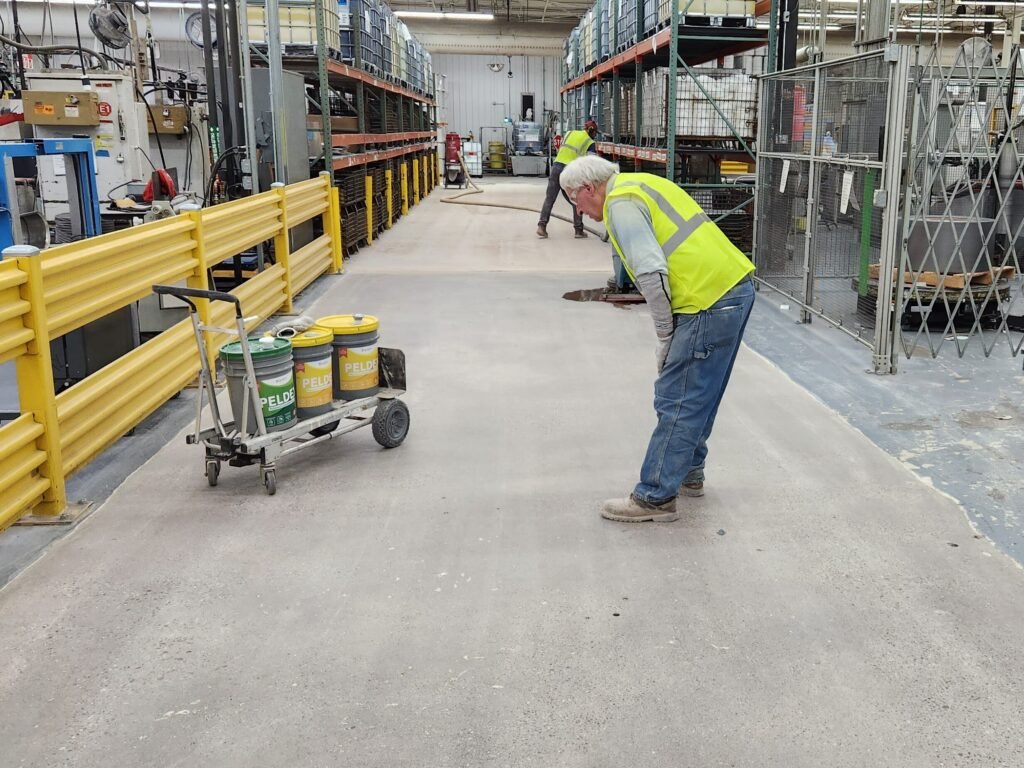
Benefits of Restoring Terrazzo
Replacing an existing terrazzo floor isn’t always necessary.
Professional restoration can provide several benefits.
Restore the Original Appearance
Polishing can bring back the clarity, color, and natural character of terrazzo that has become dull over time.
Extend the Life of the Floor
Terrazzo is extremely durable, and proper restoration can help keep an existing floor in service for many additional years.
Reduce Replacement Costs
Restoring an existing terrazzo floor can be significantly less disruptive than removing and replacing the flooring.
Improve Maintenance
A properly polished surface can be easier to maintain than a worn, rough, or heavily damaged terrazzo floor.
Preserve Existing Materials
Terrazzo often contains unique aggregates and designs that are difficult or impossible to reproduce with modern replacement flooring.
Restoration allows you to preserve the existing floor rather than cover it up or remove it.
Where Is Terrazzo Polishing Used?
Terrazzo has been used in a wide variety of commercial and institutional environments.
Schools & Universities
Terrazzo is commonly found in hallways, entrances, common areas, and other high-traffic spaces.
Retail & Commercial Buildings
Polished terrazzo can provide a durable and visually appealing flooring surface for businesses and commercial spaces.

Hospitals & Healthcare Facilities
Terrazzo can provide a durable flooring surface for high-traffic institutional environments.
Government & Public Buildings
Existing terrazzo floors in public buildings can often be restored rather than replaced.
Churches & Religious Facilities
Many older buildings contain terrazzo floors that can be restored and preserved.
Lobbies & Entrances
Terrazzo is particularly well suited to prominent areas where appearance and durability are both important.
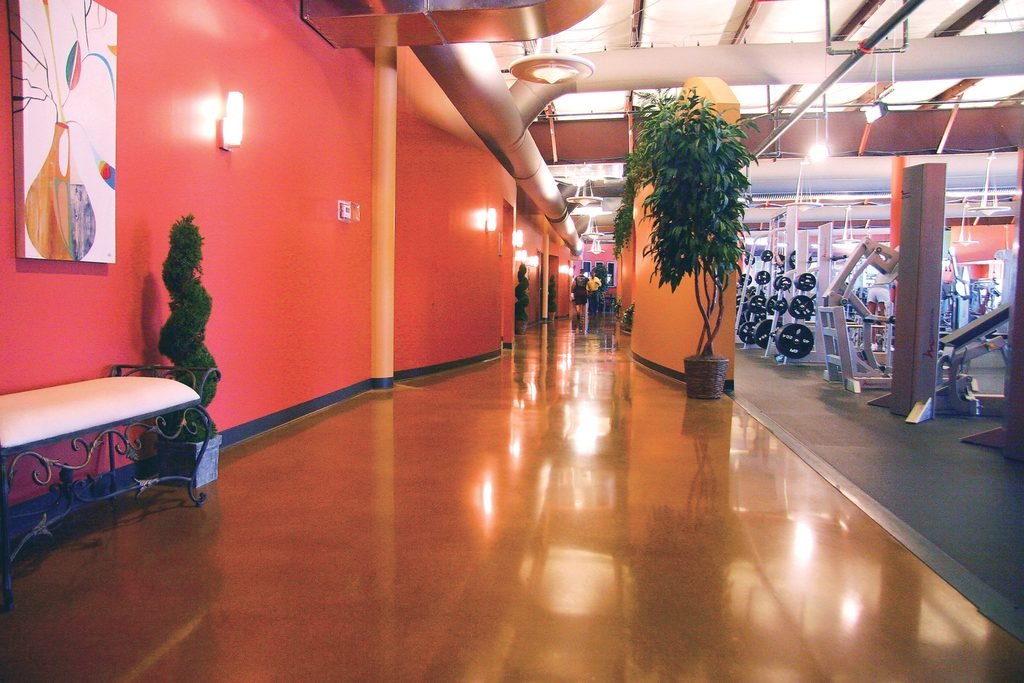
Terrazzo Polishing vs. Replacement
If an existing terrazzo floor looks old or damaged, replacement may seem like the obvious solution.
However, restoration can often provide a better alternative.
| Restore Existing Terrazzo | Replace Flooring |
|---|---|
| Preserve the existing floor | Remove existing flooring |
| Less demolition | More demolition and disposal |
| Less costly | Can be very expensive |
| Can restore the original appearance | New flooring may look different |
| Less material waste | Requires new flooring materials |
| Can minimize disruption | Installation can be more disruptive |
| Extends the life of existing terrazzo | Starts a new flooring system |
Whether restoration is practical depends on the condition of the existing floor.
We can evaluate the terrazzo and help determine whether restoration or replacement makes more sense.
Can All Terrazzo Floors Be Restored?
Not necessarily.
The condition of the floor is one of the most important factors in determining whether restoration is practical.
Extensive structural damage, severe cracking, missing sections, previous repairs, or other problems may limit the results that can be achieved.
However, a terrazzo floor that simply looks dull, scratched, stained, or worn may have significant restoration potential.
That’s why we recommend evaluating the floor before deciding that replacement is necessary.
Why Choose Wise Concrete Polishing?
25+ Years of Experience
We’ve been serving Wisconsin businesses for more than 25 years and understand the demands placed on commercial and high-traffic flooring.
Mechanical Surface Restoration
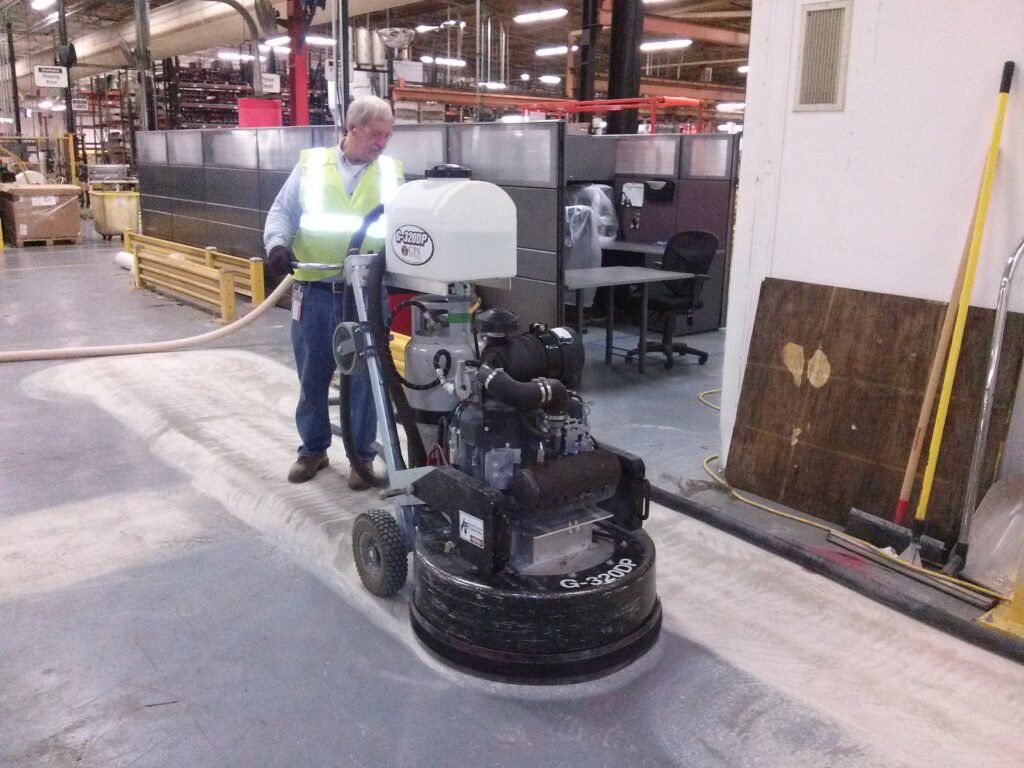
Our restoration process uses professional diamond tooling and mechanical techniques to progressively refine the terrazzo surface.
More Than Terrazzo
Terrazzo restoration is part of a broader range of flooring services we provide, including:
- Concrete polishing
- Concrete coatings
- Protective concrete treatments
- Industrial floor cleaning
- Concrete floor restoration
This allows us to evaluate your existing floor and recommend the most appropriate approach.
Focused on Restoration
Our goal isn’t simply to make an old floor look better temporarily. We focus on properly preparing and restoring the surface so that the finished floor can provide long-term performance.
Frequently Asked Questions
Can old terrazzo be polished?
Yes. Many older terrazzo floors can be mechanically ground, honed, and polished to restore their appearance. The condition of the existing floor determines how much restoration is possible.
How do you restore dull terrazzo?
Depending on the condition of the floor, restoration may involve cleaning, grinding, honing, polishing, and applying a protective treatment.
Can scratches be removed from terrazzo?
Many surface scratches can be removed through mechanical grinding and honing. Deeper damage may require more extensive restoration.
Can stained terrazzo be restored?
Some stains can be significantly improved through professional cleaning and mechanical restoration. However, the ability to remove a stain completely depends on its cause and depth.
How long does terrazzo polishing take?
Project duration depends on the size and condition of the floor, the amount of grinding required, repairs, accessibility, and the desired final finish.
Is terrazzo expensive to restore?
Restoration costs vary depending on the condition and size of the floor and the amount of work required. In many cases, restoring an existing terrazzo floor can be an attractive alternative to complete flooring replacement.
How often should terrazzo be polished?
There is no universal schedule. Maintenance requirements depend on traffic, cleaning practices, the type of terrazzo, and the desired appearance of the floor.
Can you polish terrazzo that has been covered?
Potentially. Existing coatings, adhesives, or other materials may need to be removed before the terrazzo can be evaluated and restored.
Restore Your Terrazzo Instead of Replacing It
A worn terrazzo floor doesn’t necessarily need to be removed.
With professional grinding, honing, polishing, repair, and protective treatments, an existing terrazzo floor can often be restored and returned to service.
WISE provides professional terrazzo polishing and restoration for commercial and institutional properties throughout Wisconsin.