
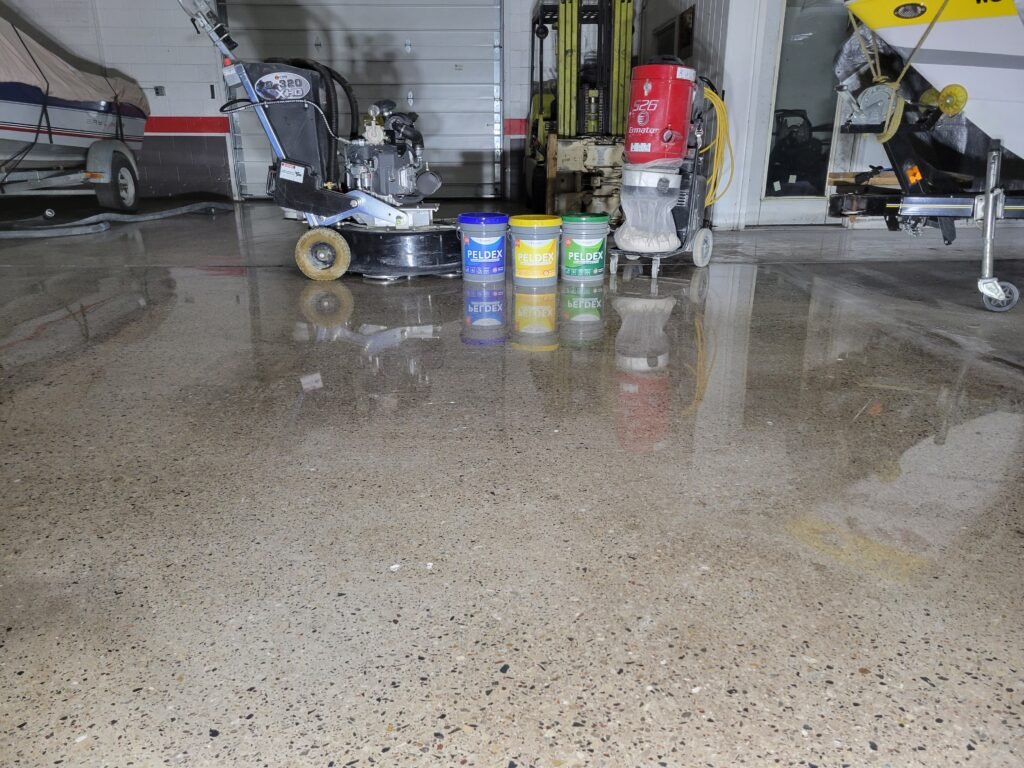
Strengthen, Protect & Extend the Life of Your Concrete
At WISE, we provide protective concrete treatments designed to improve the performance and longevity of commercial and industrial concrete floors. Depending on the condition and intended use of the floor, our treatments can include penetrating concrete densifiers, protective topical guards, and other surface treatments.
Table of Contents
What Are Protective Concrete Treatments?
Protective concrete treatments are products and processes used to improve the performance of an existing concrete surface.
Different treatments work in different ways.
Some products penetrate into the concrete and react within the surface to increase hardness and reduce dusting. Others create a protective layer on the surface that helps resist staining, moisture, abrasion, and other contaminants.
For many floors, a combination of treatments can provide the best results.
Our goal is to match the treatment to the concrete rather than treating every floor the same way.
Our Concrete Protection Systems
Concrete Densifiers
Concrete densifiers are penetrating treatments that react within the concrete to help increase surface hardness and reduce porosity.
Densification can be particularly beneficial for concrete floors that experience heavy foot traffic, vehicle traffic, or other everyday wear.
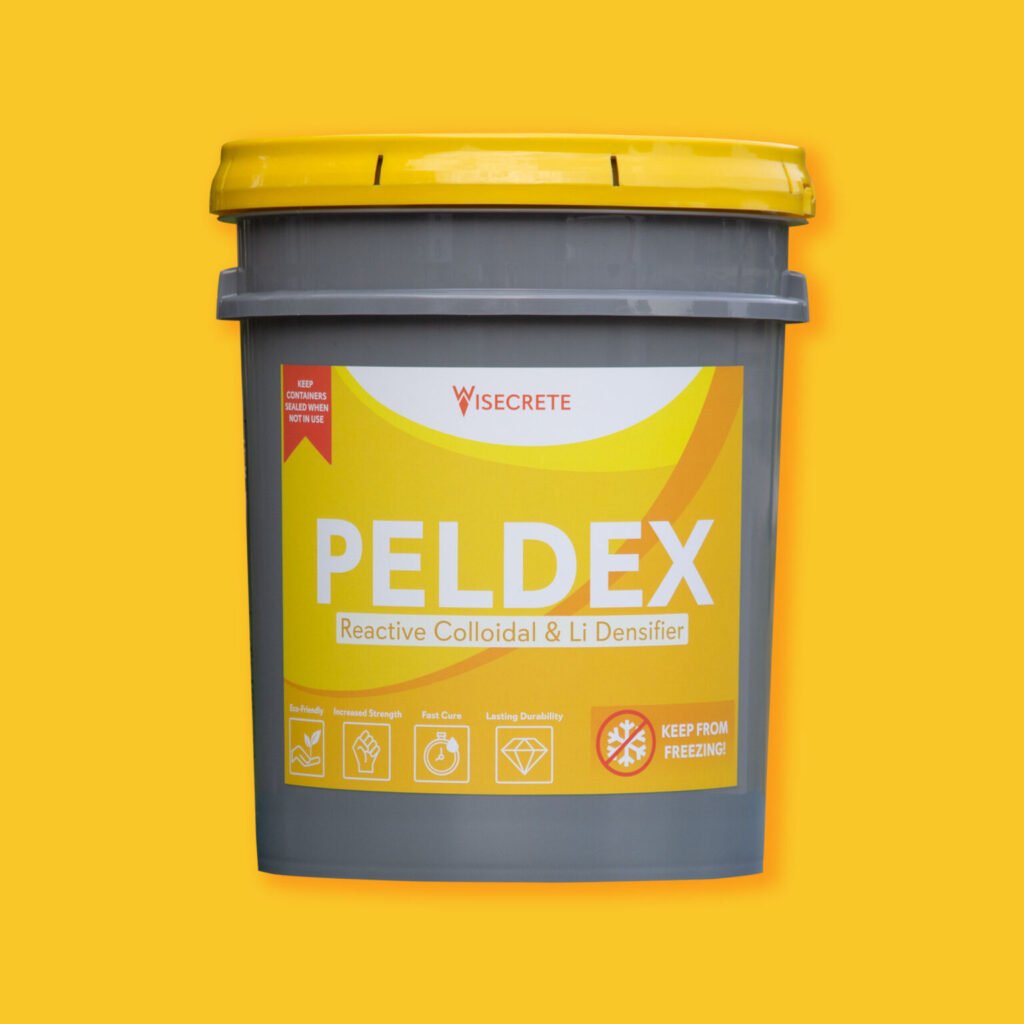
Benefits of concrete densification include:
- Increased surface hardness
- Reduced concrete dusting
- Improved abrasion resistance
- Reduces outgassing and moisture movement
- Improved durability
- Better performance during polishing
- Easier maintenance
Densifiers are especially important in polished concrete systems, where they can be incorporated into the polishing process to help strengthen and harden the concrete surface.
Protective Topical Guards
Topical guards are applied to the surface of concrete to provide an additional layer of protection.
Depending on the product selected, a topical guard can help protect against:
- Staining
- Water and liquid penetration
- Dirt and contaminants
- Abrasion
- Everyday wear
- Chemical exposure
- Oil and gasoline spills
- Salt erosion
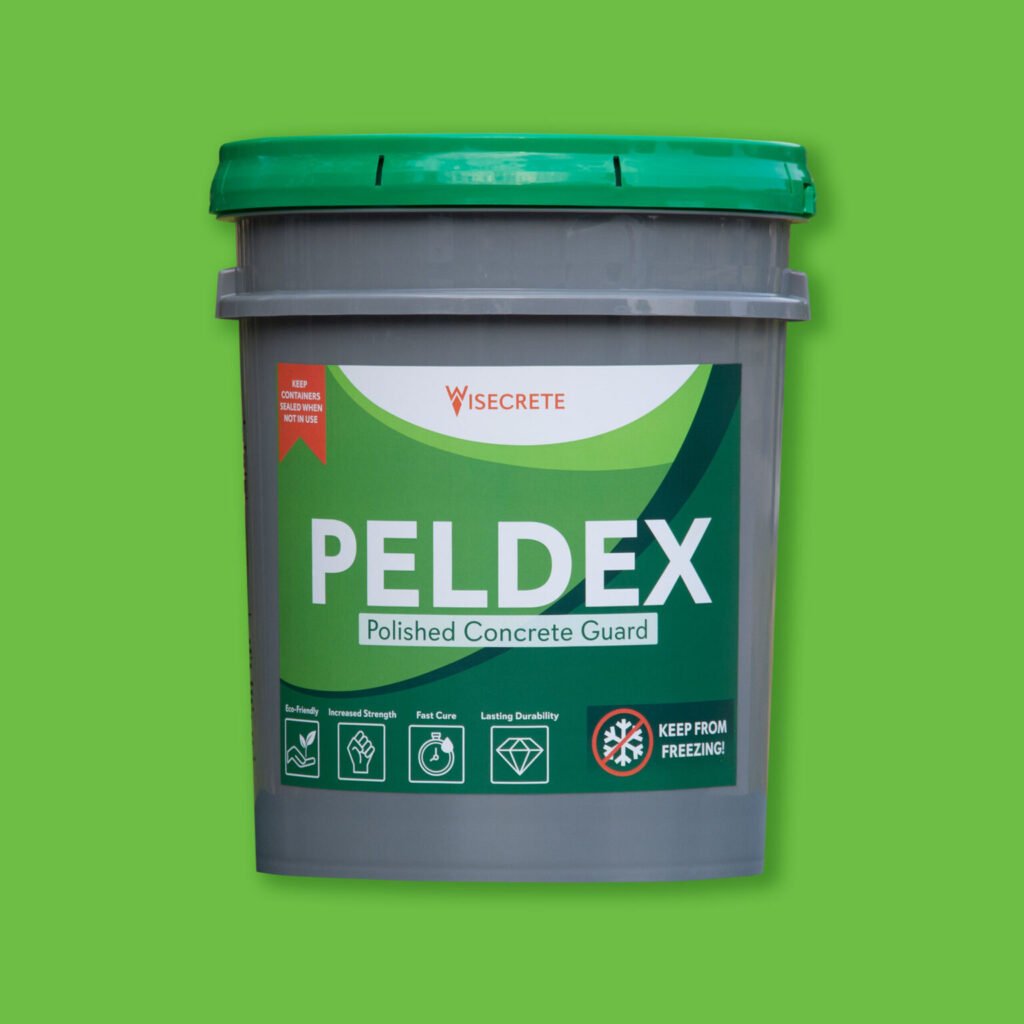
Topical guards can also enhance the appearance of polished concrete while making the floor easier to maintain.
Densifier + Protective Guard Systems
In many applications, the best approach is to combine penetrating and topical treatments.
A densifier works within the concrete to strengthen and harden the surface, while a protective guard provides additional protection at the surface.
This combination can be particularly useful for polished concrete floors in commercial and industrial environments.
The result can be:
Harder concrete + better stain resistance + easier maintenance + longer-lasting floors
Why Protect Your Concrete?
Even though concrete is strong, untreated concrete can be vulnerable to:
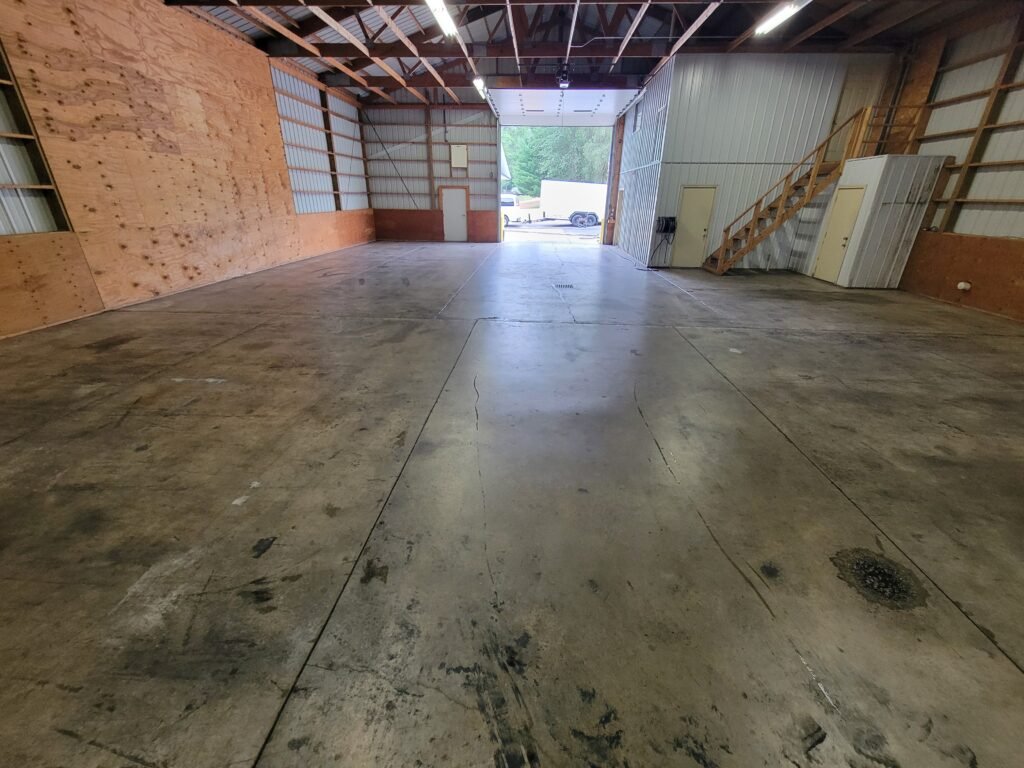
- Moisture
- Oil and other liquids
- Dirt and contaminants
- Abrasion
- Heavy traffic
- Surface dusting
- Staining
- Everyday wear
Protective treatments can help reduce these problems and preserve the condition of the floor.
Improve Surface Hardness
Penetrating densifiers can react within the concrete to increase surface hardness and improve resistance to wear.
Reduce Concrete Dusting
Densification can help reduce dusting caused by weak or porous concrete surfaces.
Improve Stain Resistance
Protective guards can help prevent contaminants from penetrating as easily into the concrete.
Make Floors Easier to Maintain
A properly treated floor can be easier to clean and maintain because dirt and contaminants are less likely to become deeply embedded in the surface.
Extend Floor Life
Protecting the concrete from everyday wear and contaminants can help maintain the floor’s appearance and performance over time.
Where Are Protective Concrete Treatments Used?
Protective treatments can be used in a wide variety of commercial and industrial environments.
Warehouses & Distribution Centers
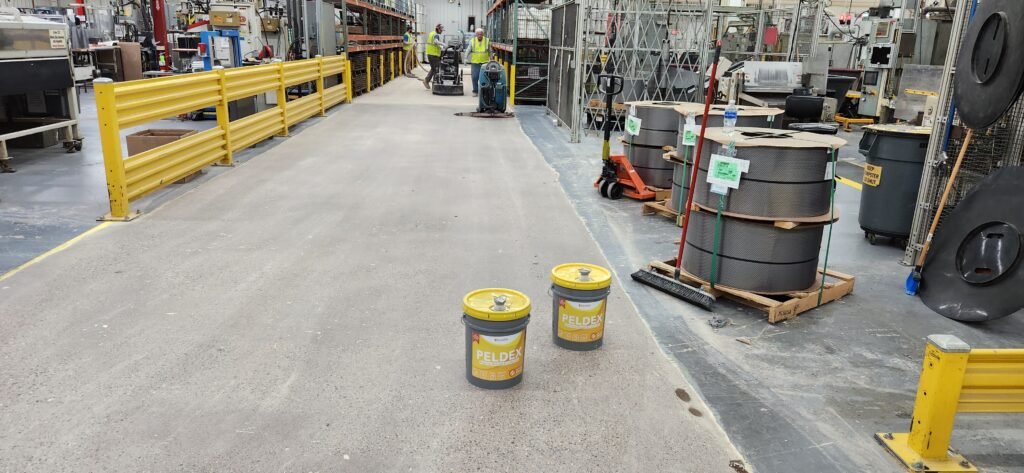
Concrete floors in warehouses experience constant foot traffic, forklifts, pallet jacks, tire traffic, and exposure to dirt and contaminants. Protective treatments can help improve durability while making the floor easier to maintain.
Manufacturing Facilities
Manufacturing environments can place significant demands on concrete floors. Densifiers and protective guards can help improve surface performance and protect against everyday wear.
Commercial Buildings
Protective treatments can provide a low-maintenance solution for commercial concrete floors while maintaining the natural appearance of the concrete.
Retail & Showrooms
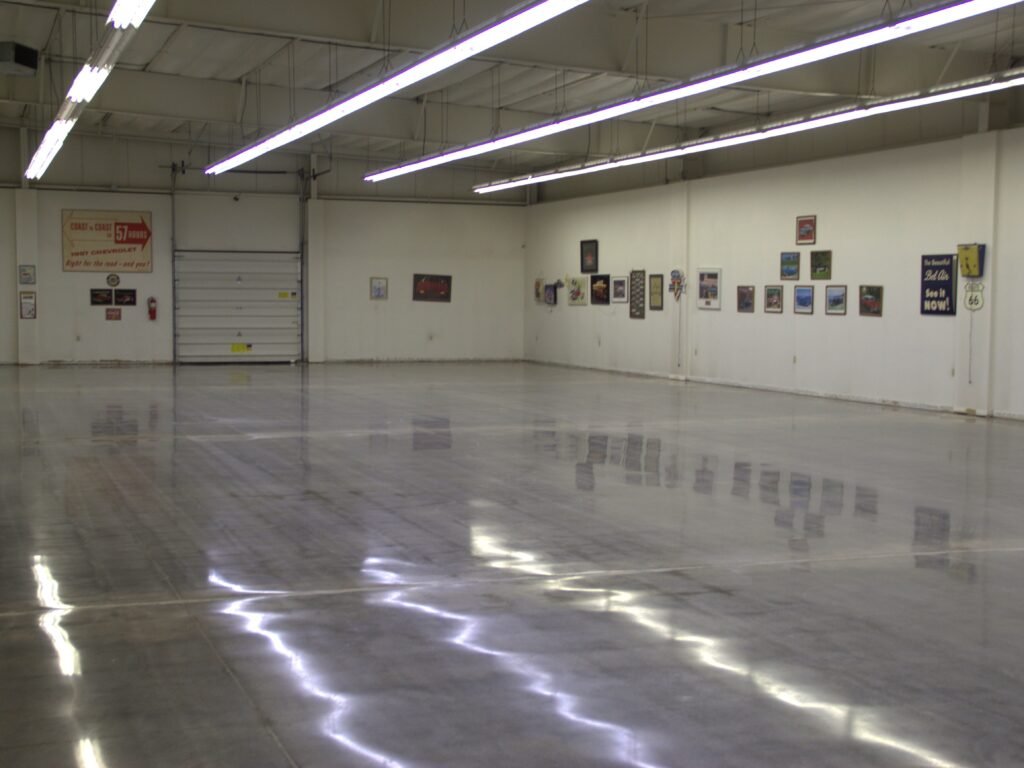
When appearance is important, a protective treatment can help preserve the finish of polished or decorative concrete.
Garages & Automotive Facilities
Concrete floors exposed to vehicle traffic, oil, grease, and other contaminants may benefit from appropriate protective treatments.
Protective Treatments for Polished Concrete
Protective treatments are an important part of a complete polished concrete system.
During the polishing process, we can use a concrete densifier to help harden the concrete as the floor is mechanically refined.
After polishing, a protective guard can be applied when additional stain and surface protection is desired.
This creates a system where the concrete is not simply made to look better—it is also treated to improve its performance.
Protective Treatments vs. Concrete Coatings
Protective treatments aren’t the same as a traditional concrete coating.
| Protective Concrete Treatments | Concrete Coatings |
|---|---|
| Treat the existing concrete | Create a separate coating layer |
| Can penetrate into the concrete | Primarily remain on the surface |
| Can maintain the natural appearance | Can completely change the appearance |
| Densifiers can increase surface hardness | Coatings provide a thicker protective layer |
| Often used with polished concrete | Common for demanding industrial applications |
| Minimal change to floor profile | Can provide a more substantial protective system |
The right solution depends on the condition of the concrete and how the floor will be used.
If your existing concrete is in good condition and you want to maintain its natural appearance, a protective treatment may be appropriate.
If the floor requires a thicker protective layer, decorative finish, or higher level of chemical or impact resistance, a concrete coating system may be a better solution.
Our Protective Concrete Treatment Process
1. Evaluate the Concrete
We begin by evaluating the existing concrete, including its condition, porosity, hardness, traffic levels, and intended use.
2. Prepare the Surface
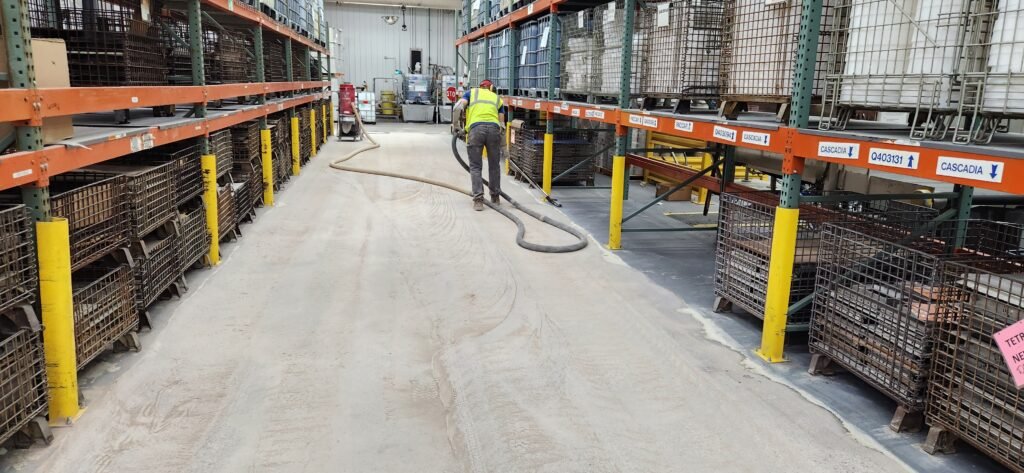
Proper preparation is essential. Depending on the project, preparation may include cleaning, vacuuming, mechanical grinding, polishing, or other surface preparation.
3. Apply the Appropriate Treatment
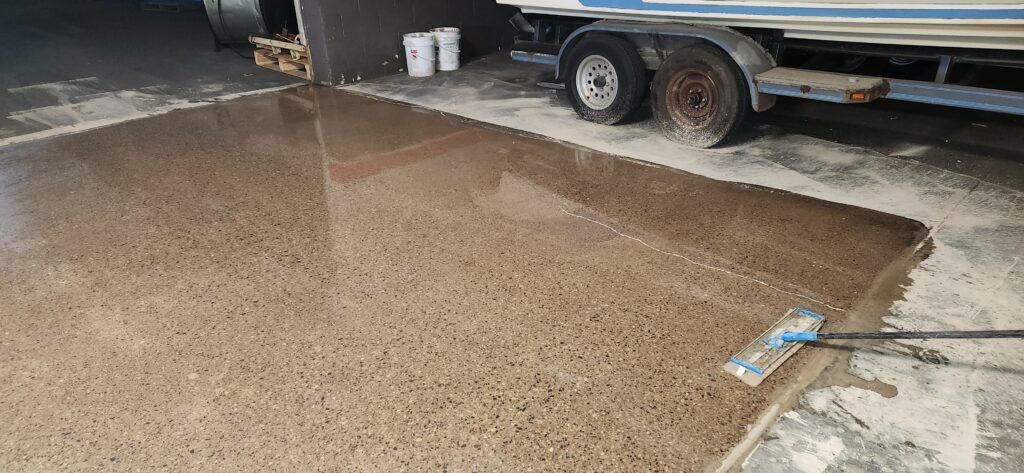
We select and apply the appropriate densifier, guard, or combination of treatments based on the requirements of the floor.
4. Allow the Treatment to React or Cure
Each product has specific application and curing requirements. We follow the manufacturer’s recommendations to achieve the intended performance.
5. Final Inspection
After the treatment has been completed, we inspect the finished floor and make sure it is ready for use.
Choosing the Right Concrete Treatment
There isn’t one protective treatment that is right for every floor.
The best system depends on several factors, including:
Condition of the Concrete
Older, porous, weak, or heavily worn concrete may require different preparation and treatment than newer concrete.
Floor Usage
A warehouse with forklift traffic has very different requirements than a retail showroom.
Exposure
Floors exposed to water, oils, chemicals, or other contaminants may require additional protection.
Desired Appearance
Some customers want to maintain the natural appearance of their concrete, while others want a higher-gloss or more refined finish.
Maintenance Requirements
The expected cleaning and maintenance routine can also influence which treatment is appropriate.
Why Choose Wise?
25+ Years Serving Wisconsin
We’ve been serving Wisconsin businesses for more than 25 years and understand that every concrete floor is different.
More Than One Flooring Solution
We don’t limit our recommendations to one product or process. We provide:
- Concrete polishing
- Protective concrete treatments
- Concrete coatings
- Industrial floor cleaning
- Terrazzo Polishing
- Concrete floor restoration
This allows us to evaluate your floor and recommend the solution that makes the most sense for your facility.
Professional Surface Preparation
The performance of a concrete treatment depends heavily on proper preparation. We focus on preparing the surface correctly before applying the selected treatment.
Commercial & Industrial Experience
Our services are designed for the demands of commercial and industrial environments, from warehouses and manufacturing facilities to retail and other high-traffic spaces.
Frequently Asked Questions
What is a concrete densifier?
A concrete densifier is a penetrating treatment that reacts with components within the concrete to increase surface hardness and reduce porosity. Densifiers are commonly used as part of polished concrete systems.
Does a densifier seal concrete?
Not exactly. A densifier primarily works within the concrete to increase hardness and reduce porosity. It is different from a topical sealer or guard that forms a protective layer on the surface.
What is a concrete guard?
A concrete guard is a protective surface treatment applied over concrete, often after polishing. Depending on the product, it can provide additional resistance to staining, moisture, abrasion, and other contaminants.
Do polished concrete floors need a protective guard?
Not necessarily. The appropriate treatment depends on the floor and how it will be used. Some polished concrete floors may benefit from an additional protective guard, particularly in environments where staining or contamination is a concern.
Can you apply a densifier to existing concrete?
Yes. Existing concrete can often be densified when the surface is properly prepared and suitable for the selected product.
Can protective treatments be applied to old concrete?
In many cases, yes. However, the condition of the existing concrete needs to be evaluated first. Severely damaged, contaminated, or deteriorated concrete may require restoration or other preparation before treatment.
How long do concrete protective treatments last?
The service life depends on the treatment used, floor conditions, traffic, maintenance, and exposure. A properly selected and maintained system can provide long-term protection, but no treatment is permanent.
Are protective treatments better than concrete coatings?
Neither is universally better. Protective treatments can be ideal when you want to strengthen and protect existing concrete while maintaining its appearance. Coatings may be more appropriate when you need a thicker protective layer or specific chemical, decorative, or performance characteristics.
Protect Your Concrete Before It Becomes a Problem
Whether you need to harden an industrial concrete floor, protect polished concrete from staining, or improve the long-term performance of an existing surface, the right treatment can make a significant difference.
WISE can evaluate your concrete and recommend the appropriate combination of densification, protective guards, polishing, coatings, or other treatments for your application.